How can I test a head gasket at home?
There are several checks you can do at home that can strongly suggest a blown head gasket. None are as definitive as a professional leak-down or combustion gas test, but together they can give you a good idea.
1. Check the coolant
Only do this when the engine is completely cold.
- Remove the radiator cap (if fitted) or look in the expansion tank.
-
Look for:
- Oily residue floating on the coolant.
- Brown sludge.
- Continuous bubbles while the engine is running and warming up.
A few bubbles immediately after starting can be normal. Constant bubbling, especially if it increases when you rev the engine, may indicate combustion gases entering the cooling system.
2. Check the engine oil
Pull out the dipstick and inspect the oil.
Look for:
- A creamy, milky appearance.
- Oil level that has unexpectedly risen.
Also check under the oil filler cap.
Note: A small amount of creamy residue under the filler cap alone can simply be condensation from lots of short trips, especially in cool weather.
3. Watch the exhaust
Start the engine after it's fully warmed up.
Signs to look for:
- Thick white smoke that continues after the engine is warm.
- A sweet smell from the exhaust.
- Water dripping is normal when cold, but persistent white smoke is not.
4. Check for overheating
Watch the temperature gauge.
A failing head gasket may cause:
- The engine to overheat.
- The temperature to fluctuate.
- The heater to suddenly blow cold air while driving.
5. Feel the radiator hoses
When the engine is warming up, squeeze the upper radiator hose carefully.
If it becomes rock hard within a minute or two of starting from cold, combustion gases may be pressurising the cooling system.
6. Look for coolant loss
Monitor the coolant level over several days.
If it keeps dropping with:
- no puddles under the car,
- no visible hose leaks,
- and no obvious water pump leak,
then the coolant may be leaking internally.
7. Use a combustion leak (block) test
This is the most reliable DIY test.
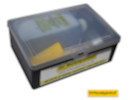
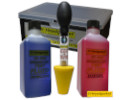
A block test kit:
- costs around £15–£40,
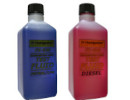
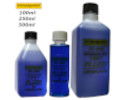
- uses a blue or red chemical that changes colour if exhaust gases are present in the cooling system,
- blue liquid is an old type, less sensitive not suitable for diesel engines or use modern red fluid, more sensitive with much better colour transition, works excellent with pertol, lpg and diesel engines.
- takes about 10–15 minutes.
If the fluid changes colour, it's a strong indication of a head gasket leak or a cracked cylinder head.
What combinations are most suspicious?
If your car has two or more of these:
- Unexplained coolant loss.
- Overheating.
- Continuous bubbles in the coolant.
- Persistent white smoke.
- Rock-hard cooling hoses shortly after a cold start.
- A positive block test.
…then a blown head gasket becomes quite likely.

About Us
We specialise in R&D and manufacturing high-quality combustion leak testers and premium test fluid trusted by mechanics, workshops and vehicle owners. Our products are designed to deliver accurate, repeatable results, helping you diagnose cooling system problems quickly and confidently.
Visit our website to learn more, view demonstration videos and find the right tester and refill fluid for your needs.