What are the first signs of a blown head gasket?
The first signs of a blown head gasket can be subtle at first, but they usually get worse over time. Common early symptoms include:
Unexplained coolant loss – If you're topping up the coolant regularly but can't find an external leak, coolant may be leaking into the engine or cylinders.
Engine overheating – One of the earliest and most common signs. The temperature gauge may creep higher than normal, especially when driving uphill or in traffic.
White exhaust smoke – Thick, sweet-smelling white smoke after the engine has warmed up can indicate coolant is being burned in the combustion chamber. (A little white vapour on a cold morning is normal.)
Bubbles in the coolant reservoir – Exhaust gases leaking into the cooling system can cause continuous bubbling in the expansion tank, especially while the engine is running.
Poor engine performance – Misfires, rough idling, hesitation, or a noticeable loss of power can occur if coolant enters one or more cylinders.
Milky oil – If coolant mixes with engine oil, the oil on the dipstick or under the oil filler cap may look creamy or like mayonnaise. However, short journeys in cold weather can also cause a small amount of mayonnaise under the cap, so this alone isn't conclusive.
Pressurised cooling system – Hoses may become unusually hard shortly after starting the engine because combustion gases are entering the cooling system.
Heater stops blowing hot air – Air entering the cooling system can reduce coolant circulation through the heater core, causing intermittent or no cabin heat.
Signs that strongly suggest a head gasket failure
If you have two or more of the following together, a blown head gasket becomes much more likely:
Persistent overheating.
Coolant disappearing without an obvious leak.
White exhaust smoke.
Bubbles in the coolant reservoir.
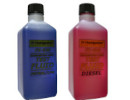
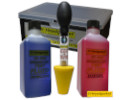
A positive combustion gas ("block") test.
Other faults that can look similar
These symptoms can also be caused by:
A leaking water pump.
A faulty thermostat.
A cracked radiator or hose.
A failed radiator cap.
A cracked cylinder head or engine block (less common but more serious).
How to confirm it
A mechanic can usually diagnose a blown head gasket with:
A combustion gas (block) test on the coolant.
A cooling system pressure test.
A compression test or leak-down test.
Inspection with a borescope if needed.
If your engine is overheating, it's best to stop driving as soon as it's safe to do so. Continuing to drive can turn a relatively straightforward head gasket replacement into a much more expensive repair involving a warped cylinder head or even engine damage.

About Us
We specialise in R&D and manufacturing high-quality combustion leak testers and premium test fluid trusted by mechanics, workshops and vehicle owners. Our products are designed to deliver accurate, repeatable results, helping you diagnose cooling system problems quickly and confidently.
Visit our website to learn more, view demonstration videos and find the right tester and refill fluid for your needs.